Physical Address
304 North Cardinal St.
Dorchester Center, MA 02124
Physical Address
304 North Cardinal St.
Dorchester Center, MA 02124

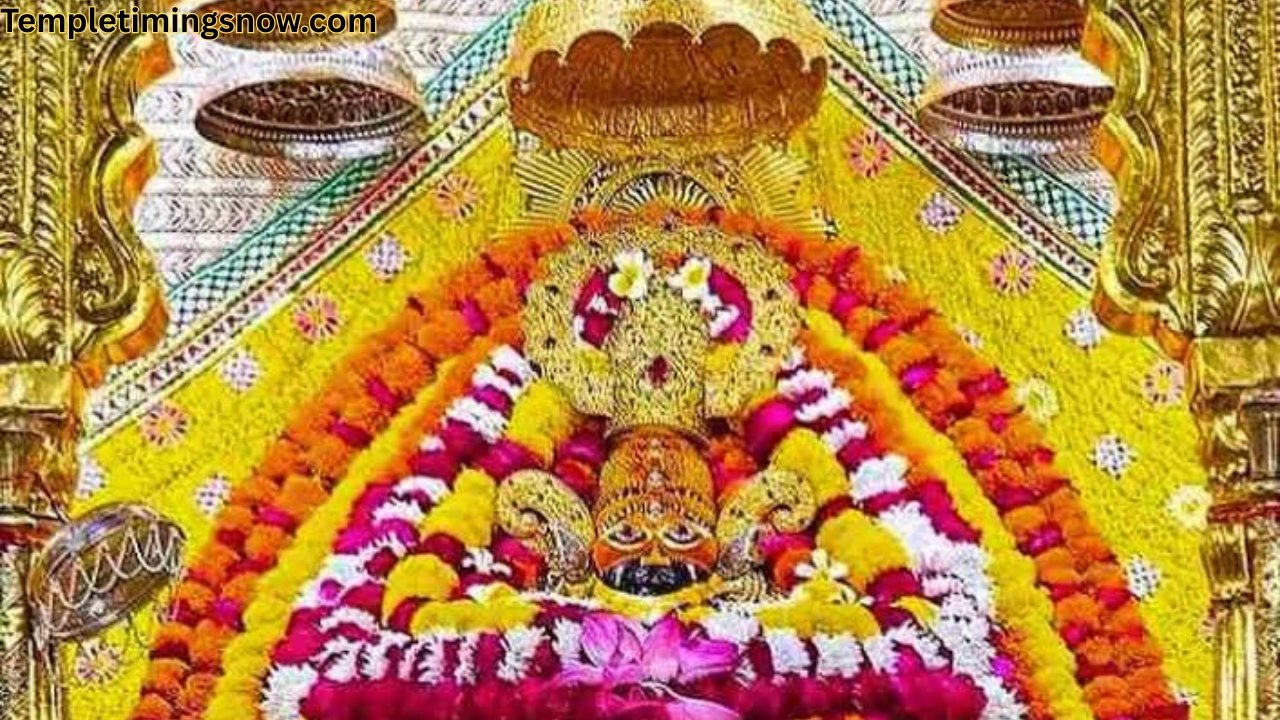
Every year, millions of devotees make the journey to a quiet village in Rajasthan’s Sikar district — not for any tourist attraction, but to stand before Shyam Baba and seek his blessings. If you’re planning that journey, knowing the correct Khatu Shyam Ji Mandir timing isn’t just helpful — it’s the difference between a peaceful darshan and hours of waiting outside closed gates. This guide covers everything: daily darshan hours, the complete aarti schedule, festival timings, travel logistics, and the practical details most pilgrimage guides skip entirely.
Before you plan your visit, it helps to understand what makes this temple different from the thousands of other shrines across India. Khatu Shyam Ji isn’t worshipped simply as a local deity. His story runs deep into the Mahabharata — and it’s one of the most moving tales in Hindu tradition.
Barbarik was the son of Ghatotkacha and the grandson of Bhima, one of the five Pandavas. From childhood, he was an extraordinary warrior — so powerful that he possessed just three arrows, each capable of deciding the outcome of an entire battle. Legend says he had the ability to finish the Kurukshetra war in minutes with those three divine arrows, regardless of which side he fought on.
When Lord Krishna learned of Barbarik’s intent to join the war and support whichever side was losing, he realized this would create chaos — every time one side weakened, Barbarik would switch, making the battle endless. Krishna, disguised as a Brahmin, approached Barbarik and asked him to donate the most precious thing he possessed as dakshina. Barbarik, bound by his word as a warrior, offered his own head.
Krishna accepted the sacrifice and, moved by Barbarik’s selfless devotion, granted him a remarkable boon. He declared that in Kaliyuga, Barbarik would be worshipped across the world by the name “Shyam” — Krishna’s own name. His head was placed in Khatu, where it was later discovered and enshrined in the temple that stands today.
The name Shyam carries real theological weight. Krishna is often called Shyam because of his dark complexion, but the name also carries connotations of deep compassion and universal acceptance. By granting Barbarik this name, Krishna essentially endorsed him as a deity for the current age.
Kaliyuga, according to Hindu scriptures, is an age where direct spiritual practice is difficult and human willpower is weaker. Devotees believe Shyam Baba is uniquely compassionate in Kaliyuga — that he accepts even the most broken, ordinary devotee without judgment. This belief is why the temple sees such massive crowds. People don’t just come here out of tradition. They come because they feel seen.
The temple runs on two distinct seasonal schedules. Missing this detail is the most common mistake pilgrims make — especially those arriving from Delhi or Jaipur on a long road trip without checking ahead.
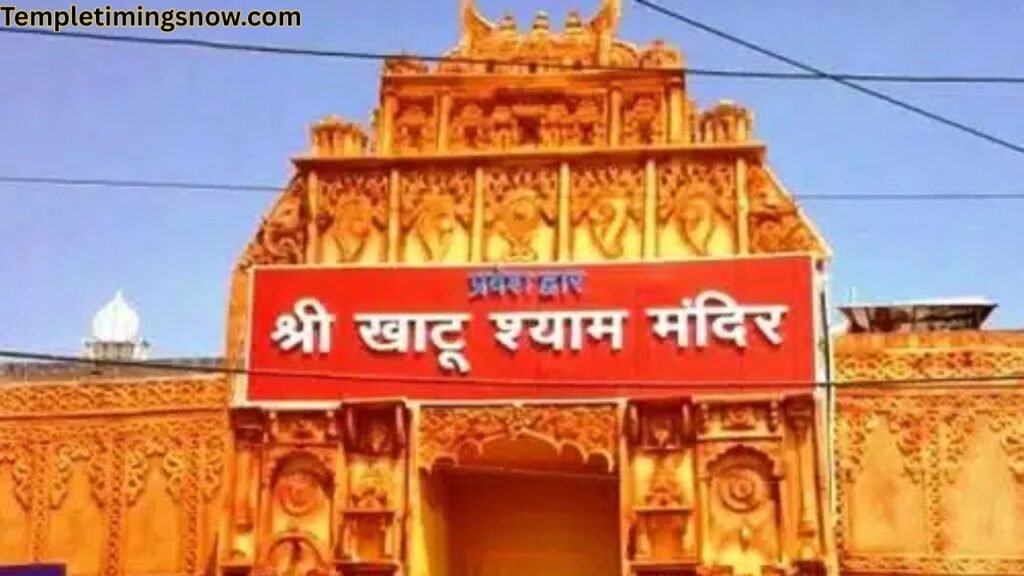
During summer months, the temple opens significantly earlier to allow devotees to complete darshan before the Rajasthan heat becomes intense.
| Session | Opening Time | Closing Time |
|---|---|---|
| Morning Session | 4:30 AM | 12:30 PM |
| Evening Session | 4:00 PM | 10:00 PM |
The early 4:30 AM opening is intentional — it aligns with Mangala Aarti, which is the first and arguably most spiritually charged ritual of the day. If you’re visiting between April and June, arriving before 7:00 AM is strongly advisable because both the crowds and the temperature climb sharply after that.
Winter shifts the schedule by roughly an hour across all sessions.
| Session | Opening Time | Closing Time |
|---|---|---|
| Morning Session | 5:30 AM | 1:00 PM |
| Evening Session | 5:00 PM | 9:00 PM |
The winter morning in Khatu can be genuinely cold — temperatures in Sikar district drop to 5–7°C in December and January. Carry a light shawl or jacket if you’re attending Mangala Aarti during these months. The atmosphere at dawn in winter, with fog over the village and the sound of bells carrying through the cold air, is something devotees describe as unforgettable.
This is the detail that trips up more first-time visitors than any other. The temple closes every afternoon — in summer from 12:30 PM to 4:00 PM, in winter from 1:00 PM to 5:00 PM. That’s a two-and-a-half to four-hour window where the gates are shut, regardless of how far you’ve traveled.
If you’re arriving from Jaipur by road and hitting traffic, there’s a real chance you’ll land at the temple at 1:30 PM and find it closed. Plan your departure from Jaipur before 9:00 AM to be safe. If you do arrive during the closure window, the market area around the temple has several small eateries and shops selling prasad items — use that time rather than waiting at the gate.
The five daily aartis aren’t just ritual formalities. Each one marks a different moment in Shyam Baba’s symbolic day — from waking to sleeping — and the atmosphere at each is noticeably different.
| Aarti | Winter Time | Summer Time |
|---|---|---|
| Mangala Aarti | 5:30 AM | 4:30 AM |
| Shringar Aarti | 8:00 AM | 7:00 AM |
| Bhog Aarti | 12:30 PM | 12:30 PM |
| Sandhya Aarti | 6:30 PM | 7:30 PM |
| Shayan Aarti | 9:00 PM | 10:00 PM |
The Mangala Aarti marks the ceremonial awakening of Shyam Baba. Priests open the sanctum, lamps are lit, and the first prayers of the day are offered. At this hour, the crowd is the thinnest it will be all day — you might have just a few hundred people rather than the thousands who fill the temple by mid-morning.
Devotees who regularly visit Khatu Shyam Ji will almost unanimously tell you: attend Mangala Aarti if you can. The quiet intensity of that hour, with conch shells and bells and the first light beginning to show outside — it’s a genuinely different experience from the afternoon crowds. It requires an early start, but it’s worth planning your accommodation around it.
Shringar Aarti is when the idol is ceremonially dressed and adorned with fresh flowers, jewellery, and fine cloth. This is the most visually elaborate of the morning rituals. Devotees who want to see Shyam Baba in full decorated form — the way the murti appears in most photographs — should be present for this.
Bhog Aarti at 12:30 PM involves the offering of sacred food to Shyam Baba before the temple closes for the afternoon. It’s a shorter ceremony, but meaningful for devotees who want to receive the blessed prasad directly after the offering.
Sandhya Aarti, the evening prayer, draws large crowds. By 6:30 PM in winter, the temple courtyard is typically full. This is the most socially active time of day at Khatu — families, groups of pilgrims, and first-timers all converge at once.
Shayan Aarti is the final ritual of the day — the ceremonial “putting to rest” of Shyam Baba. It happens at 9:00 PM in winter and 10:00 PM in summer. After this, the temple closes for the night.
If you’re planning to attend Shayan Aarti, make sure your accommodation or transport is sorted in advance. The roads out of Khatu village, while manageable, get congested after the evening aarti ends and everyone leaves at once. Having a driver wait or booking a dharmshala within walking distance saves a lot of post-aarti stress.
On certain days, the regular schedule doesn’t apply. The temple either stays open 24 hours or extends well past midnight. These are the days that define Khatu Shyam Ji’s calendar.
Phalgun Mela is the single biggest religious event at Khatu Shyam Ji Mandir. It falls in the Hindu month of Phalgun — which corresponds to February–March in the Gregorian calendar. In 2026, Phalgun Mela is expected to fall in the last week of February and first week of March (exact dates should be confirmed through the official website at shrishyammandir.com, as the Hindu calendar shifts each year).
During the mela, darshan runs continuously without the usual afternoon closure. The temple essentially never shuts for 10 days straight. According to local accounts and media reports from previous years, the Phalgun Mela draws anywhere from 25 to 35 lakh devotees over the full 10-day period — making it one of the largest religious gatherings in Rajasthan.
If you’re planning to attend, book accommodation in Sikar town rather than trying to find a room in Khatu itself — the village fills up weeks in advance. Carry your own water and light snacks. The queues during peak mela days can mean 3–4 hours of waiting even before you reach the sanctum.
Ekadashi — the eleventh day of the lunar fortnight — holds special significance in Vaishnava tradition. At Khatu Shyam Ji, the Shukla Paksha Ekadashi (the Ekadashi of the bright fortnight) is particularly sacred. On this day, the temple stays open round the clock.
Devotees believe that a darshan on Ekadashi at this temple carries multiplied spiritual merit. That belief translates directly into crowd size — on major Ekadashi dates, the temple can receive 50,000 to 1 lakh visitors in a single day. If this is your target visit date, reach Khatu the evening before, complete your accommodation check-in, and position yourself for the early morning darshan rather than trying to arrive on the day itself.
Both Janmashtami and Diwali bring a different energy to Khatu. The temple is decorated extensively — floral arrangements, lighting, and special ceremonial setups that you won’t see on ordinary days. Darshan extends until midnight on both occasions, and special aartis are performed at unusual hours.
Janmashtami at Khatu Shyam Ji carries extra meaning given the connection between Shyam Baba and Lord Krishna — the deity was named by Krishna himself, so his birth anniversary is celebrated with particular devotion here. The midnight aarti at Janmashtami, marking the hour of Krishna’s birth, is one of the most charged moments in the temple calendar.
Generic pilgrimage guides say “visit between October and March.” That’s true but incomplete. Let’s be more specific.
The quietest darshan experience happens on weekday mornings between mid-July and September. Yes, Rajasthan is hot and occasionally rainy in this period — but the crowds are dramatically thinner, and you can complete darshan comfortably within 30–45 minutes rather than the 2–3 hours typical during peak season.
Tuesday and Thursday are traditionally considered auspicious for Shyam Baba and attract larger crowds than other weekdays. If you’re prioritizing a calm visit over auspiciousness, aim for Monday or Wednesday mornings. Arrive by 6:00 AM and you’ll likely be out before 8:00 AM, well before the day’s crowds build.
If crowd management is a priority for you, avoid these windows:
The Rajasthan tourism department and temple trust typically publish crowd advisories before major festivals. Checking shrishyammandir.com or calling the temple helpline at +91-1576-231482 before traveling on a festival date is worth the two minutes it takes.
This is the section most pilgrimage articles skip. The spiritual part is covered — but what about the ground-level reality of actually being there?
Unlike some major temples — Tirupati’s Rs. 300 special entry or Vaishno Devi’s priority darshan — Khatu Shyam Ji Mandir does not operate a paid VIP or fast-track darshan system. The queue is common for everyone. There are separate lines for gents and ladies, and temple volunteers (sevadars) manage the flow during peak periods.
Some tour operators advertise “VIP darshan” packages for Khatu Shyam Ji. These typically involve a guide who knows the layout well and can help you navigate queues efficiently — but they don’t grant actual queue priority. Don’t pay a premium expecting to skip the line.
The temple management is clear on a few things:
The dress code is enforced more strictly during festival periods when sevadars are stationed at entry points. On regular weekdays, enforcement is lighter — but respecting the norm is the right call regardless.
The temple distributes prasad daily — typically a combination of sweets and sacred offerings. Devotees can purchase prasad items from the shops surrounding the temple or bring offerings from outside.
The Shyam Rasoi, a community kitchen run near the temple premises, provides free meals to pilgrims on certain days — particularly during festivals and major Ekadashi dates. The langar operates on the principle of seva (selfless service) and is open to all visitors regardless of background.
If you want to make a personal offering at the sanctum, coconuts, flowers (particularly yellow marigold), and sweets are traditional. The temple has authorized counters where you can purchase these inside the premises.
This is something the temple trust has genuinely improved over the years. There are drinking water points at multiple locations within the premises. Cloakroom facilities are available near the main entrance. Medical aid posts are set up during major festivals.
For elderly devotees or those with mobility challenges, reaching the sanctum during peak hours requires patience — the pathways can become narrow and crowded. The best strategy is to visit on a weekday during the first 90 minutes of the morning session, when the crowd density is lowest and movement through the temple is easier.
| Contact Type | Details |
| Helpline Number | +91-1576-231482 |
| Email Address | info@shyammandir.com |
| Official Website | www.shrishyammandir.com |
Khatu village sits in Sikar district, roughly in the middle of a triangle formed by Jaipur, Sikar town, and Ringas. Getting here isn’t difficult, but the last-mile connection requires a bit of planning.
Jaipur is the most common starting point for pilgrims. The distance is approximately 90 km, and under normal traffic conditions, the drive takes around 1.5 to 2 hours. The NH-52 route via Chomu is the most commonly used road.
Options from Jaipur:
From Delhi, the distance is around 400 km and typically takes 5–6 hours by road via NH-48 to Jaipur and then onward to Khatu.
Ringas Junction (station code: RGS) is the nearest railway station, sitting about 17 km from Khatu. Several trains from Jaipur, Delhi, and Sikar stop here.
From Ringas station, your options are:
The shared jeep is the most popular option among budget pilgrims and runs fairly regularly throughout the day. After 9:00 PM, options thin out — if you’re attending Shayan Aarti and leaving late, arrange a private auto in advance.
Accommodation options in Khatu itself are limited, which surprises many first-time visitors who assume a temple of this scale would have hotels nearby.
The realistic options:
During Phalgun Mela, even Sikar hotels fill up. Devotees who’ve attended multiple times recommend booking Sikar accommodation 4–6 weeks in advance if your dates fall within the mela period.
The temple gates close between 12:30 PM and 4:00 PM in summer, and 1:00 PM to 5:00 PM in winter. If you arrive during this window, use the time to eat, visit the nearby market, or rest at your accommodation. You’ll need to return for the evening session.
Yes, absolutely. No guide is necessary. Arrive at the temple gate 15–20 minutes before the aarti time, join the queue that forms, and follow the flow of other devotees. Temple sevadars are present and helpful.
Photography is restricted inside the main sanctum. In the outer courtyard and surrounding areas, photography is generally permitted, but check with temple staff on the day as rules can tighten during festivals.
During peak mela days, queues start forming at 2:00–3:00 AM. If you want a morning darshan without a 4-hour wait, reach the temple by 4:00 AM at the latest.
Shukla Paksha Ekadashi is considered the single most auspicious day for darshan at Khatu Shyam Ji. Tuesday and Thursday are the most auspicious regular weekdays.
Planning a pilgrimage to Khatu Shyam Ji is as much about timing as it is about intention. The devotees who leave with the most meaningful experience aren’t necessarily those who came on the grandest festival day — they’re the ones who arrived quietly at dawn, stood in the first light of Mangala Aarti, and had a few unhurried moments before Shyam Baba. That’s the visit worth planning for.