Physical Address
304 North Cardinal St.
Dorchester Center, MA 02124
Physical Address
304 North Cardinal St.
Dorchester Center, MA 02124

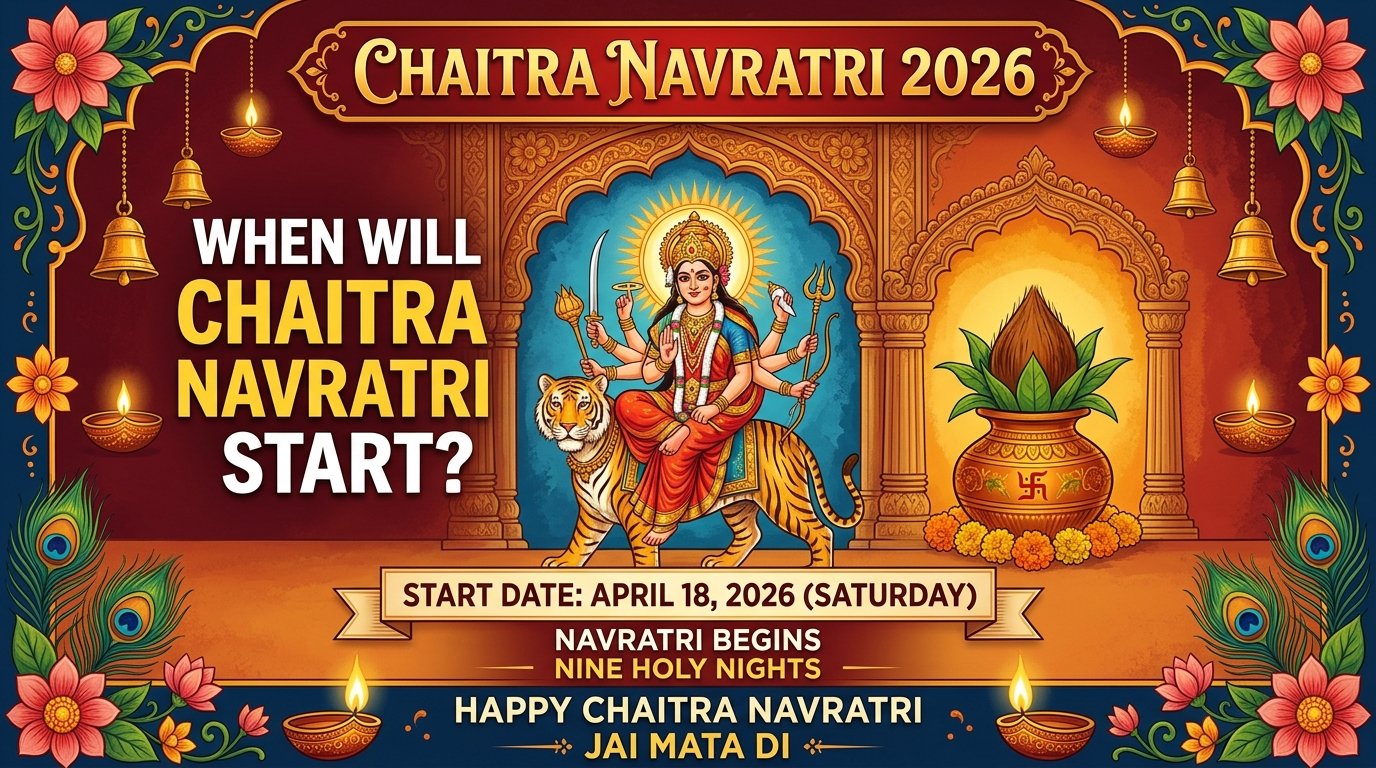
Chaitra Navratri 2026 is one of the holiest festivals in Hinduism, marking the arrival of spring, the beginning of the Hindu New Year in many regions, and nine sacred days dedicated to Goddess Durga and her divine forms known as the Navdurga.
Every year, millions of devotees eagerly search for the Chaitra Navratri 2026 date and time, Ghatasthapana Muhurat, fasting rules, and the spiritual significance of this auspicious festival. If you’re wondering what is Chaitra Navratri, when it begins, or how to perform the rituals correctly, this complete guide covers everything in one place.
Unlike Shardiya Navratri, which takes place during autumn, Chaitra Navratri falls in the Chaitra month of the Hindu lunar calendar and symbolizes renewal, devotion, and the victory of good over evil.
Families across India perform Kalash Sthapana, observe Navratri fasting (Vrat), recite the Durga Saptashati, and seek blessings from Maa Durga for prosperity, protection, and spiritual growth. It isn’t just a festival—it is a time to reconnect with faith and begin the year with positive energy.
Chaitra Navratri 2026 will begin on Thursday, 19 March 2026, and conclude on Friday, 27 March 2026. The festival starts on Pratipada Tithi of the Shukla Paksha in the Chaitra month and ends with Ram Navami, celebrating the birth of Lord Shri Rama.
This period is also known as Rama Navratri or Vasanta Navratri because it coincides with the spring season and culminates in Ram Navami.
| Event | Date & Time |
|---|---|
| Pratipada Tithi Begins | 18 March 2026 – 7:05 PM |
| Pratipada Tithi Ends | 19 March 2026 – 7:44 PM |
| Chaitra Navratri Begins | 19 March 2026 |
| Ghatasthapana Muhurat | 19 March 2026 – 6:11 AM to 10:33 AM |
| Abhijit Muhurat | 19 March 2026 – 11:54 AM to 12:42 PM |
| Ram Navami | 27 March 2026 |
Many devotees also search for navratri 2026 date and time, navratri 2026 date April, and navratri 2026 date October. It is important to understand that Chaitra Navratri falls in March 2026, while Shardiya Navratri, the famous autumn celebration associated with Garba and Dussehra, will occur in October 2026.
Chaitra Navratri is a nine-day Hindu festival dedicated to the worship of Shakti, the divine feminine energy represented by Maa Durga. It begins on the first day (Pratipada) of the bright fortnight (Shukla Paksha) in the month of Chaitra.
The festival represents the triumph of righteousness over evil, inner purification, and spiritual awakening. During these nine days, devotees worship the nine forms of Goddess Durga, observe fasting, chant sacred mantras, visit temples, and perform daily puja.
In many Indian states, Chaitra Navratri also marks the beginning of the traditional New Year. Festivals such as Gudi Padwa in Maharashtra and Ugadi in Andhra Pradesh and Telangana are celebrated during this auspicious period, making it a season of both devotion and fresh beginnings.
Ghatasthapana, also known as Kalash Sthapana, is the most important ritual of Chaitra Navratri because it formally marks the beginning of the nine-day worship.
Direct Answer:
For Chaitra Navratri 2026, the ideal Ghatasthapana Muhurat is 19 March 2026 from 6:11 AM to 10:33 AM. If this window cannot be followed, devotees may perform the ritual during the Abhijit Muhurat from 11:54 AM to 12:42 PM.
According to Hindu tradition, Ghatasthapana → marks → the beginning of Navratri worship. Performing this ritual during Pratipada Tithi after sunrise is believed to invite divine blessings, prosperity, and protection into the home.
A proper Ghatasthapana ceremony requires devotion rather than extravagance. Even a simple setup performed with sincerity is considered auspicious.
This ritual symbolizes fertility, abundance, purity, and the arrival of divine energy into the household.
Chaitra Navratri → celebrates → the divine power of Goddess Durga.
Spiritually, these nine days represent the journey from ignorance to enlightenment. The festival reminds devotees that courage, compassion, discipline, and faith always overcome negativity.
According to Hindu scriptures, Shakti is the supreme cosmic energy that sustains creation. By worshipping Navdurga, devotees seek blessings for health, wisdom, prosperity, family harmony, and protection from obstacles.
Another unique aspect is that the final day coincides with Ram Navami, celebrating the birth of Lord Rama. This connection strengthens the belief that righteousness ultimately triumphs over evil.
People observe Chaitra Navratri for many reasons, including:
Many devotees believe this period offers an ideal opportunity to strengthen their relationship with the Divine through prayer, meditation, and self-control.
Several Hindu scriptures highlight the importance of this sacred festival.
The Devi Mahatmya (Durga Saptashati) describes the victories of Goddess Durga over powerful demons, symbolizing the triumph of righteousness. The Markandeya Purana explains the greatness of Devi worship and the spiritual rewards gained through sincere devotion.
The Devi Bhagavata Purana also praises the worship of the Divine Mother during Navratri, while the Ramayana connects Chaitra Navratri with Lord Rama, whose birth is celebrated on the final day.
These scriptural references reinforce why millions of devotees continue observing the festival with deep faith, generation after generation.
Although the ritual is simple, some common mistakes should be avoided.
The purpose of Navratri is devotion, not perfection. Even if small mistakes happen, sincere faith remains the most important offering.
Chaitra Navratri is celebrated over nine sacred days, with each day dedicated to one of the Navdurga, the nine divine manifestations of Goddess Durga. Every form represents a unique spiritual quality, helping devotees progress from physical strength to ultimate enlightenment.
Worshipping the Goddess according to the day’s Tithi, wearing the associated Navratri colour, and offering prayers with devotion are believed to attract peace, prosperity, and divine blessings. It isn’t a strict rule to wear the daily colour, but many devotees follow this tradition to deepen their spiritual connection.
| Day | Date (2026) | Goddess | Colour | Spiritual Meaning |
|---|---|---|---|---|
| Day 1 | 19 March | Maa Shailputri | Yellow | Strength, new beginnings, optimism |
| Day 2 | 20 March | Maa Brahmacharini | Green | Wisdom, devotion, self-discipline |
| Day 3 | 21 March | Maa Chandraghanta | Grey | Courage, balance, protection |
| Day 4 | 22 March | Maa Kushmanda | Orange | Energy, vitality, creation |
| Day 5 | 23 March | Maa Skandamata | White | Peace, motherhood, compassion |
| Day 6 | 24 March | Maa Katyayani | Red | Power, bravery, determination |
| Day 7 | 25 March | Maa Kalaratri | Royal Blue | Fearlessness, protection from evil |
| Day 8 | 26 March | Maa Mahagauri | Pink | Purity, forgiveness, inner peace |
| Day 9 | 27 March | Maa Siddhidatri | Purple | Wisdom, spiritual perfection |
The first day of Navratri begins with the worship of Maa Shailputri, the daughter of the Himalayas. She symbolizes purity, determination, and the beginning of every spiritual journey. Wearing yellow reflects hope and positivity, making it a fitting colour to start the festival. Many devotees also begin their Navratri fasting (Vrat) on this day after performing Ghatasthapana.
The second day is devoted to Maa Brahmacharini, who represents penance, patience, and unwavering devotion. Her blessings inspire discipline and inner strength, reminding devotees that spiritual growth requires perseverance. The colour green signifies harmony, renewal, and personal development.
On the third day, devotees worship Maa Chandraghanta, the fierce protector who removes fear and negative energies. She is often depicted with a crescent moon on her forehead and rides a tiger. Grey symbolizes balance, resilience, and calmness during difficult times.
The fourth day honors Maa Kushmanda, believed to have created the universe with her radiant smile. She represents creativity, vitality, and abundance. Devotees wear orange, a colour associated with enthusiasm, confidence, and divine energy.
The fifth day celebrates Maa Skandamata, the mother of Lord Kartikeya. She blesses families with harmony, wisdom, and maternal care. The traditional colour is white, symbolizing peace, purity, and spiritual clarity. Many parents especially seek her blessings for their children’s well-being.
Maa Katyayani is worshipped on the sixth day and is known as the warrior form of Goddess Durga. She destroys injustice and grants courage to overcome life’s challenges. Wearing red represents strength, determination, and confidence. This day is considered highly auspicious for prayers related to marriage and personal success.
The seventh day is dedicated to Maa Kalaratri, one of the fiercest manifestations of Durga. Despite her fearsome appearance, she protects devotees from evil and removes fear. Royal blue reflects divine power, stability, and spiritual depth, reminding worshippers that darkness always gives way to light.
Chaitra Navratri 2026 Ashtami Date falls on Thursday, 26 March 2026. This day is among the most significant of the festival because devotees worship Maa Mahagauri, perform Kanya Puja, and seek blessings for peace, purity, and prosperity.
Many families invite young girls, regarded as manifestations of the Goddess, to their homes and offer food, gifts, and prayers. The traditional colour for Ashtami is pink, symbolizing compassion, kindness, and unconditional love.
The final day honors Maa Siddhidatri, the Goddess who grants spiritual wisdom and divine accomplishments. She completes the Navdurga journey by blessing devotees with knowledge, fulfillment, and inner awakening. Wearing purple represents higher consciousness and spiritual completion.
The ninth day also coincides with Ram Navami, celebrating the birth of Lord Shri Rama. This unique connection makes Chaitra Navratri especially significant in Hindu tradition.
Each Navratri colour carries symbolic meaning rooted in centuries-old traditions. While wearing these colours is not compulsory, many devotees believe they help strengthen their connection with the corresponding form of the Goddess.
Some people coordinate their clothing with the daily colour during temple visits or family pujas, while others simply decorate their homes using these shades. The real purpose isn’t fashion—it’s mindfulness and devotion.
The colours also serve as a gentle reminder of the spiritual qualities each Goddess represents, encouraging devotees to cultivate courage, patience, compassion, wisdom, and self-discipline throughout the nine days.
The festival is observed with several sacred rituals that combine devotion, discipline, and gratitude. Although customs vary across regions, the central practices remain remarkably similar.
Common rituals include:
These traditions help devotees maintain spiritual discipline while expressing gratitude toward the Divine Mother.
Fasting during Chaitra Navratri is regarded as both a spiritual and physical practice. It encourages self-control, simplifies daily life, and allows devotees to focus on prayer and meditation.
Some devotees observe a Nirjala Vrat, consuming only water, while others follow a fruit-based diet or eat one meal after sunset. The exact practice varies depending on family customs and personal health.
Grains, regular table salt, onion, garlic, and non-vegetarian food are generally avoided throughout the fasting period.
Apart from its religious importance, many people believe Navratri fasting offers several wellness benefits when observed sensibly.
Possible benefits include:
However, elderly individuals, children, pregnant women, and people with medical conditions should follow fasting practices according to their health needs rather than strict tradition.
From a Vedic astrology perspective, Pratipada Tithi is considered an auspicious time for beginning important spiritual practices. The Ghatasthapana Muhurat aligns with favorable planetary influences that symbolize growth, prosperity, and new opportunities.
The Abhijit Muhurat serves as an alternative auspicious period if the primary morning window cannot be observed. Many astrologers recommend starting new ventures, making positive resolutions, and strengthening spiritual disciplines during Chaitra Navratri because the festival coincides with the energetic transition into spring.
Although the devotion to Maa Durga remains universal, Chaitra Navratri is celebrated differently across India.
In North India, devotees observe strict fasting, organize Jagrans, chant bhajans, and visit Durga temples daily.
In Maharashtra, the festival coincides with Gudi Padwa, the Marathi New Year. Families raise the traditional Gudi flag, decorate their homes, and begin the year with prayers for prosperity.
In Andhra Pradesh and Telangana, Chaitra Navratri aligns with Ugadi, the Telugu New Year. Homes prepare Ugadi Pachadi, symbolizing life’s many emotions, while temples conduct special prayers and cultural programs.
These regional traditions beautifully demonstrate how one festival unites diverse cultures through shared devotion and faith.
Many people searching online also look for Navratri 2026 date October, Navratri Garba 2026 date, and Chaitra Navratri 2027.
It is important to remember that Chaitra Navratri 2026 takes place from 19 March to 27 March 2026, while Shardiya Navratri, famous for Garba, Dandiya, and Dussehra, is celebrated in October 2026.
Similarly, Chaitra Navratri 2027 will be observed the following year according to the Hindu lunar calendar, with official dates announced based on the Panchang.
Observing Chaitra Navratri 2026 at home does not require elaborate arrangements. What truly matters is your devotion, sincerity, and consistency throughout the nine days. Whether you’re celebrating Navratri for the first time or continuing a family tradition, following a simple daily routine can make your worship meaningful and spiritually fulfilling.
A clean prayer space, a properly installed Kalash (Ghatasthapana), daily prayers, and a positive mindset are the foundation of Navratri worship. Many families also read the Durga Saptashati, chant the Durga Chalisa, or meditate on the nine forms of Maa Durga every morning and evening.
You can follow this easy routine throughout the festival:
Following the same routine every day creates discipline and helps you remain spiritually connected during the festival.
Offering Bhog is an expression of gratitude rather than luxury. Fresh, pure, and vegetarian food prepared with devotion is considered the most appropriate offering.
Some popular offerings include:
Regional customs may differ, and that’s perfectly normal. The sincerity behind the offering is always more important than the item itself.
Reciting simple mantras every day helps many devotees focus their minds and strengthen their devotion.
Even chanting these mantras a few times with concentration can create a calming and devotional atmosphere.
Temples become especially crowded during Chaitra Navratri, particularly on Ashtami and Ram Navami. Following basic etiquette helps everyone enjoy a peaceful darshan.
Remember these simple practices:
These small acts show respect for both the temple and fellow devotees.
Many devotees observe certain practices to maintain the sanctity of the festival.
Many people get confused between the two major Navratri celebrations. Although both honor Goddess Durga, they occur during different seasons and have slightly different cultural traditions.
Chaitra Navratri is celebrated during the spring season and is closely associated with the Hindu New Year, Ram Navami, Gudi Padwa, and Ugadi. It focuses on spiritual renewal, prayer, and new beginnings.
Shardiya Navratri, on the other hand, takes place in autumn and is widely known for Garba, Dandiya Raas, Durga Puja, Maha Navami, and Vijayadashami (Dussehra). This is why searches for Navratri 2026 date October and Navratri Garba 2026 date usually refer to Shardiya Navratri, not Chaitra Navratri.
Both festivals celebrate the victory of good over evil and the immense power of Shakti, but their seasonal significance and regional customs differ.
The popularity of Chaitra Navratri extends far beyond religious rituals. For many families, these nine days represent hope, discipline, gratitude, and a fresh beginning.
Devotees believe that sincere worship during Navratri can:
Whether observed with elaborate ceremonies or simple daily prayers, the essence of Navratri lies in devotion and inner transformation.
Chaitra Navratri 2026 will begin on Thursday, 19 March 2026, with the sacred ritual of Ghatasthapana, and conclude on Friday, 27 March 2026, with the celebration of Ram Navami. These nine holy days honor the Navdurga, encourage spiritual growth, and remind devotees that faith, courage, and righteousness always triumph over fear and negativity.
If you are observing Navratri this year, perform Kalash Sthapana during the auspicious Ghatasthapana Muhurat, worship each form of Maa Durga with devotion, and embrace the festival’s deeper message of self-improvement and compassion. Whether you fast for all nine days or simply offer daily prayers, the blessings of the Divine Mother are believed to reach every sincere heart.
Chaitra Navratri 2026 will begin on Thursday, 19 March 2026, according to the Hindu lunar calendar. The festival starts on Pratipada Tithi of Shukla Paksha and continues for nine days, ending with Ram Navami on 27 March 2026.
The most auspicious Ghatasthapana Muhurat is 19 March 2026 from 6:11 AM to 10:33 AM. If you cannot perform the ritual during this period, the Abhijit Muhurat from 11:54 AM to 12:42 PM is considered an acceptable alternative.
Ashtami falls on Thursday, 26 March 2026. This sacred day is dedicated to Maa Mahagauri and is widely observed with Kanya Puja, special prayers, and offerings. Many devotees consider it one of the most spiritually significant days of the festival.
Chaitra Navratri takes place in March–April during spring and concludes with Ram Navami, while Shardiya Navratri is celebrated in September–October and ends with Dussehra. Shardiya Navratri is also associated with Garba and Durga Puja, whereas Chaitra Navratri emphasizes the beginning of the Hindu New Year and spiritual renewal.