Physical Address
304 North Cardinal St.
Dorchester Center, MA 02124
Physical Address
304 North Cardinal St.
Dorchester Center, MA 02124

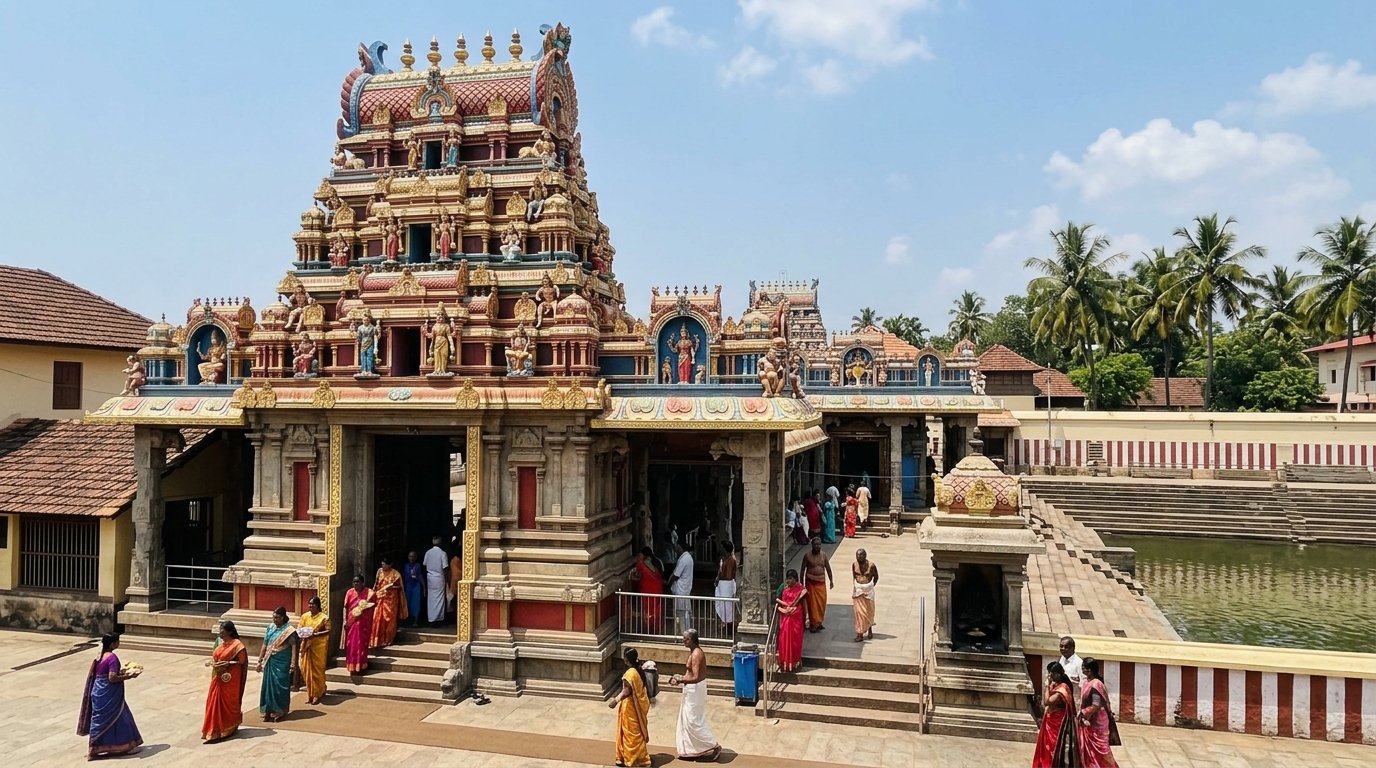
Few temples in India blend spirituality, history, philosophy, and living tradition as beautifully as Udupi Sri Krishna Temple. Located in the coastal town of Udupi in Karnataka, this sacred shrine has drawn devotees, saints, scholars, and travelers for centuries.
Whether you’re planning a pilgrimage, looking for Udupi Sri Krishna Temple timings, searching for Udupi Sri Krishna Temple seva details, or simply curious about the fascinating Udupi Sri Krishna Temple story, this complete 2026 guide covers everything you need to know.
Founded by the revered saint Madhvacharya, the temple stands as one of India’s most important centers of Dvaita Philosophy and Krishna devotion. Every year thousands of devotees visit the temple to seek blessings from the unique Udupi Sri Krishna Temple idol, participate in sacred rituals, and experience the rich spiritual atmosphere that has remained alive for more than 700 years.
Udupi Sri Krishna Temple is one of the most visited pilgrimage sites in South India and serves as the spiritual heart of Udupi town.
| Details | Information |
|---|---|
| Temple Name | Udupi Sri Krishna Temple |
| Location | Car Street, Thenkpete, Udupi, Karnataka |
| Founder | Madhvacharya |
| Main Deity | Lord Krishna |
| Established | 13th Century |
| Entry Fee | Free |
| Famous For | Krishna Idol, Navagraha Kindi, Ashta Mathas |
| Nearest Airport | Mangalore International Airport |
| Nearest Railway Station | Udupi Railway Station |
The temple is unique because devotees view Lord Krishna through a sacred window known as the Navagraha Kindi, rather than directly from the front. This tradition gives the temple an identity unlike almost any other Krishna shrine in India.
The history of Udupi Sri Krishna Temple begins with Madhvacharya, the renowned philosopher who founded the Dvaita Vedanta school of thought during the 13th century.
According to traditional accounts, Madhvacharya discovered a hidden idol of Lord Krishna inside a large lump of gopichandana clay that had washed ashore from a ship in distress. After rescuing the ship through divine intervention, he received the clay as a gift. When broken open, it revealed the beautiful Krishna idol that is worshipped today.
The temple soon became a major spiritual center. Over the centuries it evolved into a hub for learning, devotion, and religious administration. The temple also played an important role in the Bhakti Movement, encouraging personal devotion to God rather than ritualistic practices alone.
The most beloved Udupi Sri Krishna Temple story involves the great devotee Kanakadasa.
Kanakadasa belonged to a community that was not traditionally allowed inside temples. Despite being denied entry, he stood outside the temple praying with complete devotion. According to legend, Lord Krishna responded by turning the idol to face him. A small opening appeared in the western wall, allowing Kanakadasa to see the deity.
Today, devotees continue to have darshan through this sacred window called the Kanakana Kindi or Navagraha Kindi. It serves as a timeless reminder that sincere devotion matters more than social status or background. That’s a pretty powerful message even today.
The Udupi Sri Krishna Temple timings are designed around traditional worship practices that begin before sunrise and continue until night.
| Activity | Timing |
|---|---|
| Temple Opening | 4:30 AM |
| Morning Darshan | 5:00 AM – 1:00 PM |
| Afternoon Break | 1:00 PM – 5:00 PM |
| Evening Darshan | 5:00 PM – 9:00 PM |
| Temple Closing | 9:00 PM |
Daily worship follows a carefully structured schedule that includes several important rituals.
Some of the most significant ceremonies include:
Arriving early in the morning usually provides a quieter and more spiritual experience. During major festivals, however, the atmosphere becomes wonderfully vibrant and energetic.
The Udupi Sri Krishna Temple idol is one of the temple’s most distinctive features.
Unlike many Krishna temples that depict Krishna as a flute-playing youth, this idol portrays him as a young child. The deity is shown holding a churning rod and rope, symbolizing innocence, divine playfulness, and nurturing energy.
Devotees believe the idol radiates extraordinary spiritual power. The fact that it was discovered within sacred clay and installed by Madhvacharya adds to its religious significance. Even after centuries, the idol remains the focal point of devotion for millions of followers.
Participating in temple rituals allows devotees to develop a deeper spiritual connection with Lord Krishna. The Udupi Sri Krishna Temple seva details include both daily and special offerings.
Popular sevas include:
Each seva carries a unique spiritual purpose. Some seek blessings for health and prosperity, while others express gratitude or fulfill personal vows.
Devotees offer items equal to their body weight, such as rice, jaggery, or fruits. This act symbolizes surrender and gratitude toward Lord Krishna.
The deity receives ceremonial bathing using milk, curd, honey, ghee, and sugar. This ritual is believed to bring purification and blessings.
Food donation holds a special place in Hindu tradition. Through Annadana Seva, devotees contribute to feeding pilgrims and visitors.
Mahapuja is one of the temple’s most important worship ceremonies. Many devotees perform it to seek divine protection and prosperity.
The Udupi Sri Krishna Temple official website serves as the primary source for seva bookings, temple updates, and festival announcements.
Visitors can use the official portal to:
Using the official website before travel helps avoid confusion, especially during major events when schedules occasionally change.
Devotees living outside Karnataka or abroad can participate through online services.
Follow these steps:
This facility allows devotees around the world to remain connected with the temple’s sacred traditions.
One of the most fascinating aspects of Udupi’s religious system is the Paryaya Festival.
Many travel guides barely mention it, yet it represents the administrative and spiritual backbone of the temple.
Every two years, responsibility for temple management rotates among the Ashta Mathas, the eight monasteries established by Madhvacharya. This rotation ceremony is known as Paryaya.
The event attracts thousands of devotees, scholars, and monks from across India. Processions, religious discourses, cultural performances, and special worship ceremonies transform Udupi into a vibrant spiritual center.
The Ashta Mathas are eight monasteries established by Madhvacharya to preserve and propagate the teachings of Dvaita Vedanta. These institutions are deeply connected to the daily functioning of Udupi Sri Krishna Temple.
The eight Mathas are:
Each Matha takes turns managing temple affairs through the Paryaya system. This unique administrative model has helped preserve the temple’s traditions for centuries. Honestly, it’s quite remarkable how smoothly this centuries-old system still works.
The Mathas oversee:
Their contribution ensures that the temple remains both a spiritual center and a living institution rather than simply a historical monument.
The Udupi Sri Krishna Temple dress code reflects the temple’s commitment to maintaining a sacred and respectful atmosphere.
Visitors are expected to wear modest and traditional clothing while entering the temple premises.
Men are encouraged to wear:
Inside certain inner areas, shirts and vests may need to be removed. Shorts are generally not permitted.
Women are encouraged to wear:
Sleeveless clothing, very short dresses, and revealing outfits are discouraged. Following the dress code helps maintain the temple’s spiritual environment and shows respect for local customs.
One of the best things about visiting the temple is that there is no entry fee for general darshan.
Visitors can enter the temple and seek blessings without paying any admission charge. However, participation in special sevas and rituals may require separate fees depending on the offering selected.
A few important guidelines include:
These simple practices help ensure a peaceful experience for everyone.
Finding accommodation near the temple is relatively easy because Udupi is a well-developed pilgrimage destination.
Visitors can choose from budget lodges, temple guesthouses, Matha accommodations, and premium hotels.
Temple-operated accommodations provide simple and affordable rooms for pilgrims.
Benefits include:
Several lodges and religious institutions offer economical stays for devotees. These options are especially popular among pilgrims traveling with families.
Modern hotels provide:
Booking early is highly recommended during Krishna Janmashtami, Paryaya Festival, and major holidays because rooms fill up surprisingly fast.
Understanding the Udupi Sri Krishna Temple distance from major transportation hubs can help you plan your journey more efficiently.
The nearest airport is Mangalore International Airport, located approximately 60 kilometers from the temple.
Travel options include:
The drive generally takes around 1.5 to 2 hours depending on traffic conditions.
Udupi Railway Station is approximately 4 kilometers from the temple.
The station connects Udupi with major cities including:
Auto-rickshaws and taxis are readily available outside the station.
Udupi enjoys excellent road connectivity through Karnataka State highways and national highways.
Approximate distances from major cities include:
| City | Distance to Udupi |
|---|---|
| Bengaluru | 400 km |
| Mangalore | 60 km |
| Mysuru | 325 km |
| Hyderabad | 800 km |
| Goa | 280 km |
Road journeys along the coastal route can be especially scenic, particularly during the monsoon season.
Food plays an important role in the spiritual culture of Udupi.
The temple follows the noble tradition of Annadana, which means offering free meals to devotees and visitors.
The meals are simple, nutritious, and prepared according to traditional temple practices.
Many pilgrims consider receiving prasadam to be one of the most meaningful parts of their visit. The food may seem simple, but somehow it always feels satisfying and special.
Many visitors search online for Udupi Sri Krishna Temple photos before planning their trip.
Photos of the temple’s architecture, festivals, Rathotsava processions, and surrounding Mathas are widely available online. These images offer a glimpse into the temple’s rich heritage and vibrant traditions.
However, visitors should note that photography inside sensitive areas of the temple is generally restricted.
Before taking photographs, always:
The focus should remain on devotion rather than photography.
A visit to Udupi can easily become a full-day or multi-day spiritual journey.
Located adjacent to the Krishna Temple, this ancient Shiva temple predates the establishment of the Krishna shrine and holds immense historical importance.
Another significant Shiva temple known for its architectural beauty and religious significance.
Located just a short drive away, Malpe Beach offers a refreshing contrast to the spiritual atmosphere of the temple.
Famous for unique basalt rock formations and beautiful coastal scenery, this island is a favorite destination among tourists.
The temple remains open throughout the year, but certain periods offer particularly memorable experiences.
Pleasant weather makes sightseeing and temple visits comfortable. This is generally considered the best season for pilgrims and tourists.
Celebrating the birth of Lord Krishna, this festival transforms the temple into a center of vibrant devotion and celebration.
Held every two years, this grand event showcases the unique traditions of the Ashta Mathas and attracts thousands of devotees.
If you prefer a quieter experience, visiting on regular weekdays can provide a more peaceful darshan.
For inquiries regarding darshan, accommodations, sevas, or temple events, devotees can contact the temple administration.
Address: Car Street, Thenkpete, Udupi, Karnataka – 576101
Phone: +91 820 252 0598
Email: info@udipikrishnamutt.com
Official Website: www.udipikrishnamutt.com
Checking the official website before your trip is always a good idea because schedules and festival arrangements can occasionally change.
What makes Udupi Sri Krishna Temple truly remarkable is not just its age or architecture. The temple represents a living tradition where history, philosophy, devotion, and community continue to thrive together.
Madhvacharya founded Udupi Sri Krishna Temple.
Udupi Sri Krishna Temple follows Dvaita Philosophy.
Navagraha Kindi provides devotees access to Krishna darshan.
Annadana Seva provides free meals to pilgrims.
Paryaya Festival rotates temple administration among the Ashta Mathas.
These traditions have endured for centuries and continue to inspire millions of devotees. Whether you come seeking spiritual growth, cultural understanding, or simply a peaceful moment of reflection, the temple offers an experience that stays with you long after your visit ends.
The temple generally opens at 4:30 AM and closes at 9:00 PM. Morning darshan runs from 5:00 AM to 1:00 PM, while evening darshan takes place from 5:00 PM to 9:00 PM. Timings may vary slightly during major festivals and special occasions.
Men are encouraged to wear dhotis, traditional pants, or kurtas, while women should wear sarees, salwar suits, or long skirts. Modest clothing is expected. Shorts, sleeveless attire, and revealing outfits are generally discouraged within temple premises.
Devotees can visit the Udupi Sri Krishna Temple official website, choose a preferred seva, select a date, complete payment, and receive confirmation. Popular sevas include Tulabharam, Panchamrita Abhisheka, Mahapuja, and Annadana Seva.
The idol depicts Lord Krishna as a child holding a churning rod and rope. Installed by Madhvacharya, it is viewed through the sacred Navagraha Kindi, making the darshan experience unique among Krishna temples across India.